Norwalk, CT · Garage Door Service
Garage Door Repair Built Around Norwalk's 1960s Housing Stock
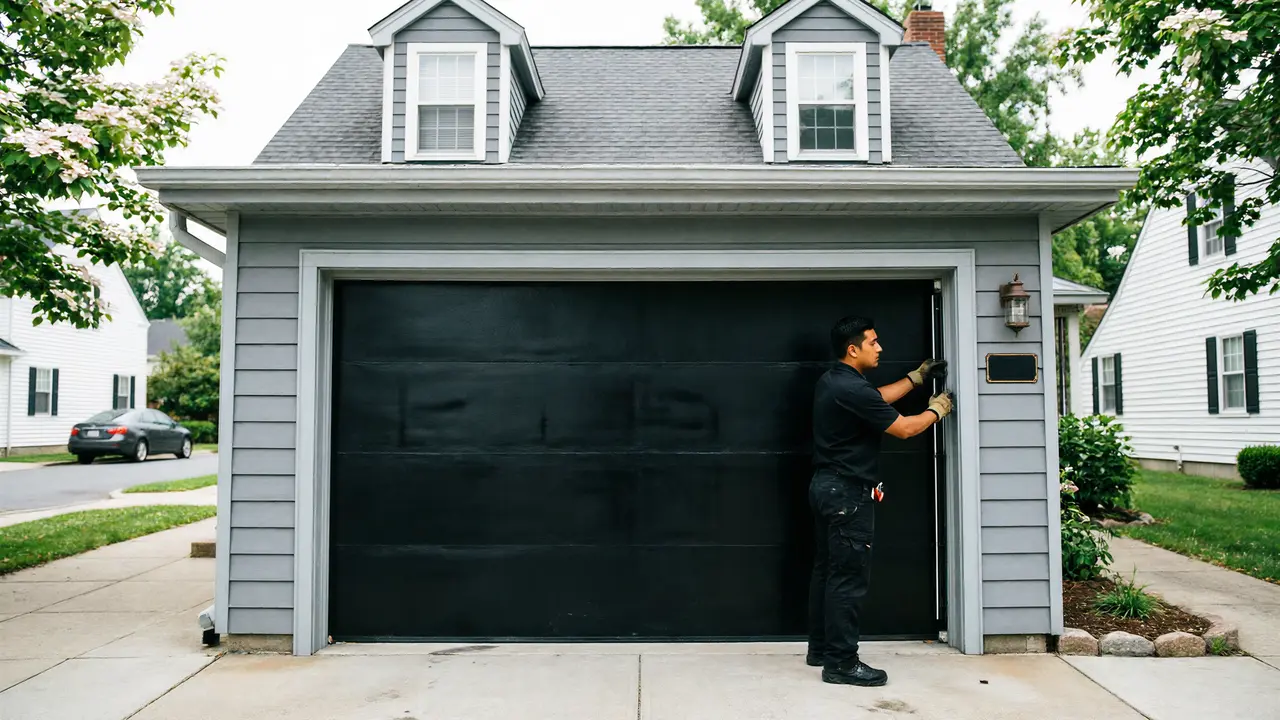
Garage door repair for Norwalk, CT homes built 1955-1984, sized for the cold-climate winters that strain old torsion springs and worn rollers every year.
- Repairs & new doors
- Springs & openers
- Serving 8 nearby communities
What We Do
Garage door services in Norwalk
From a snapped spring to a full door replacement - repairs, springs, openers and new doors.
Garage Door Repair
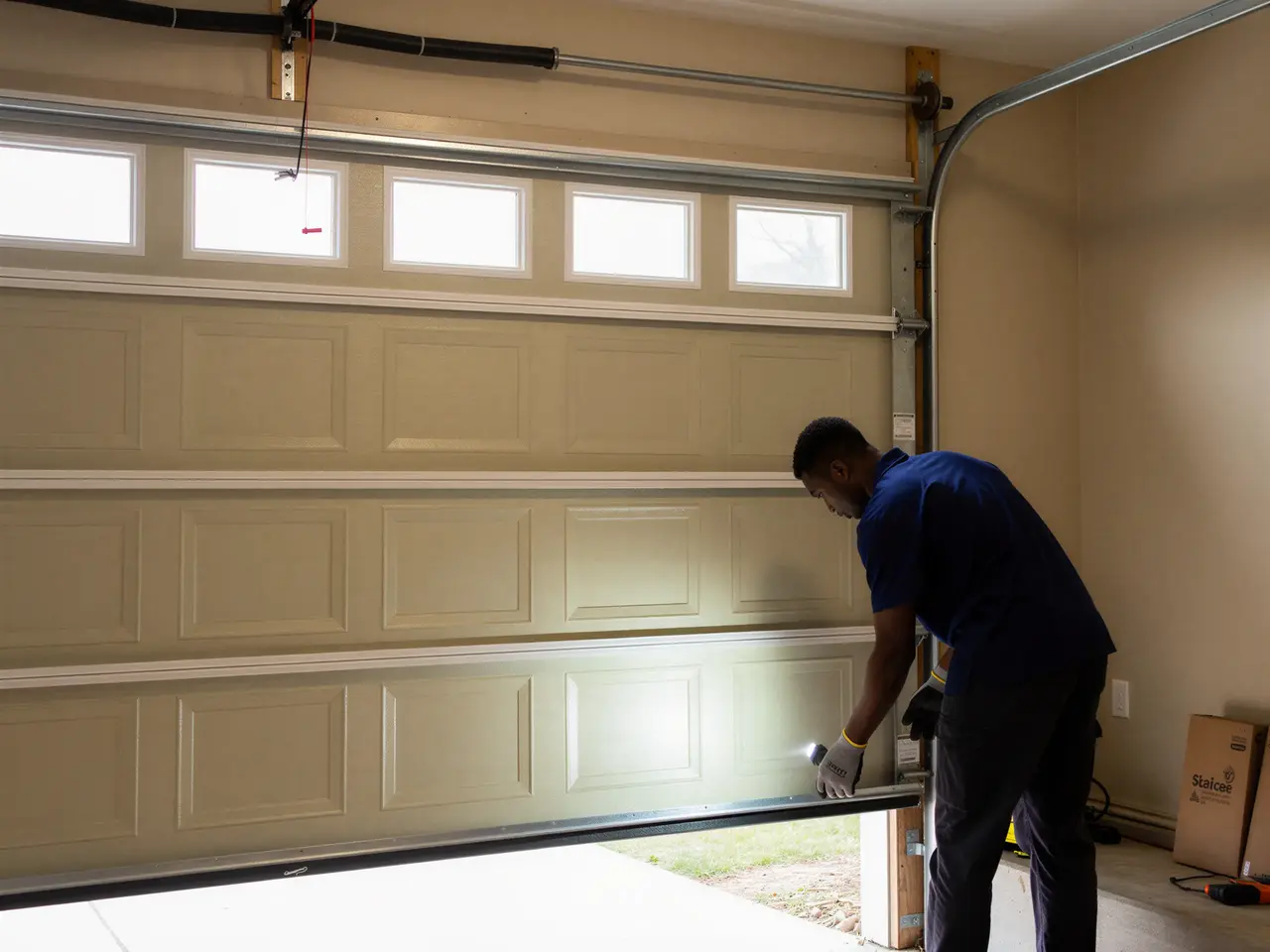
Off-track doors, snapped cables, bent panels and grinding openers - diagnosed and fixed.
Learn more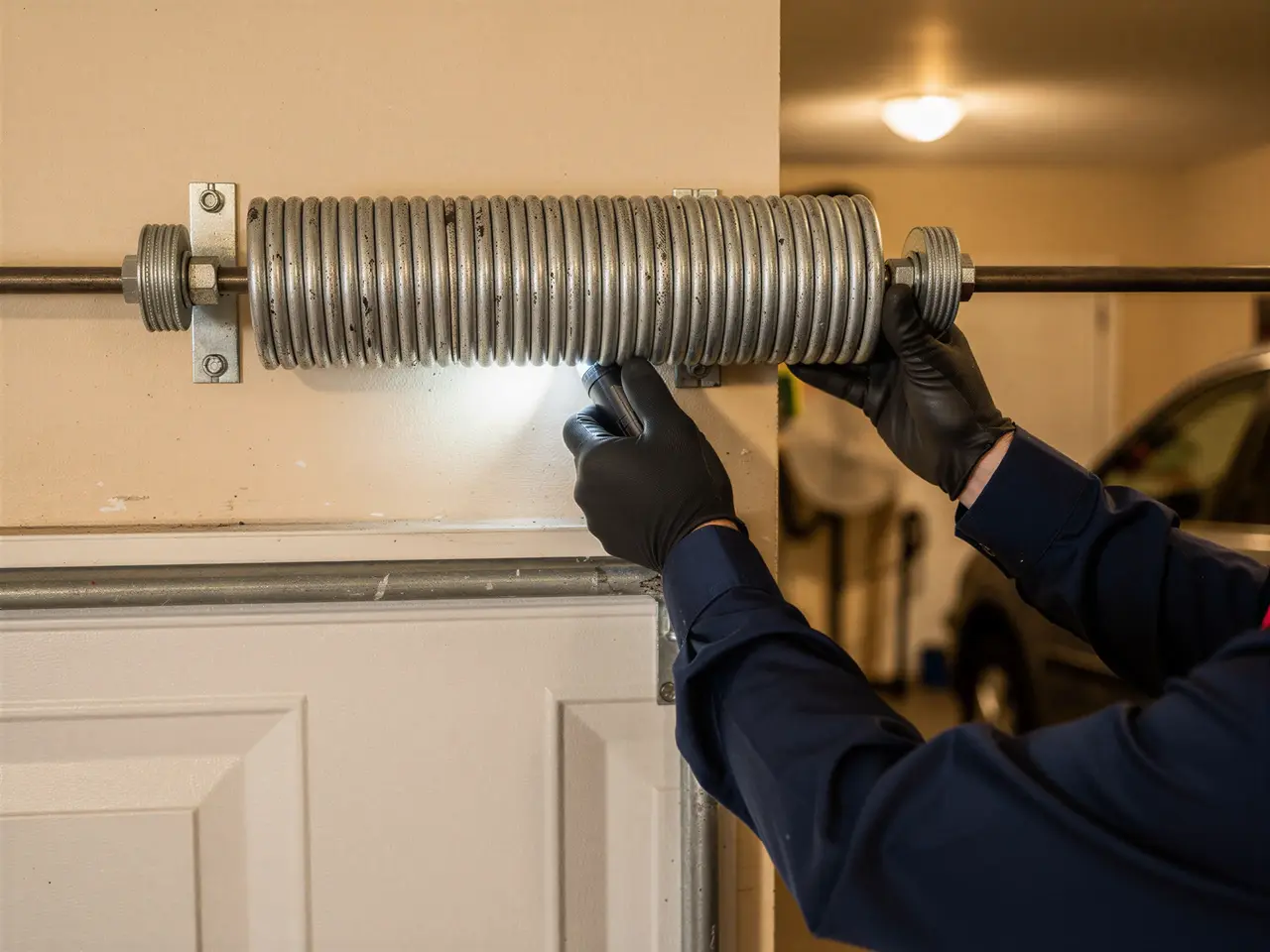
Spring Repair
Torsion and extension springs replaced safely - the job you should never DIY.
Learn more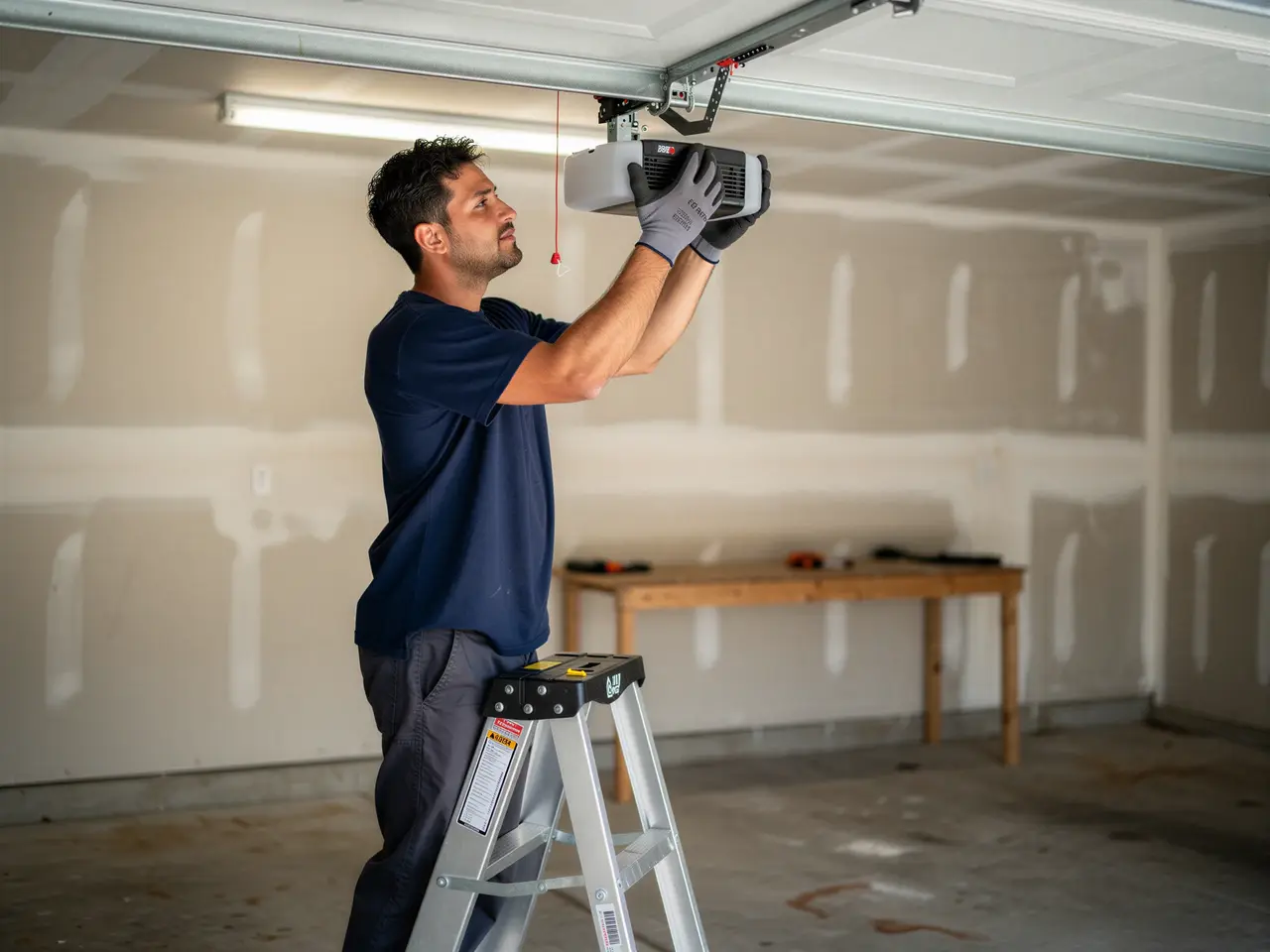
Opener Installation
New openers sized to your door, wired, programmed and safety-tested.
Learn more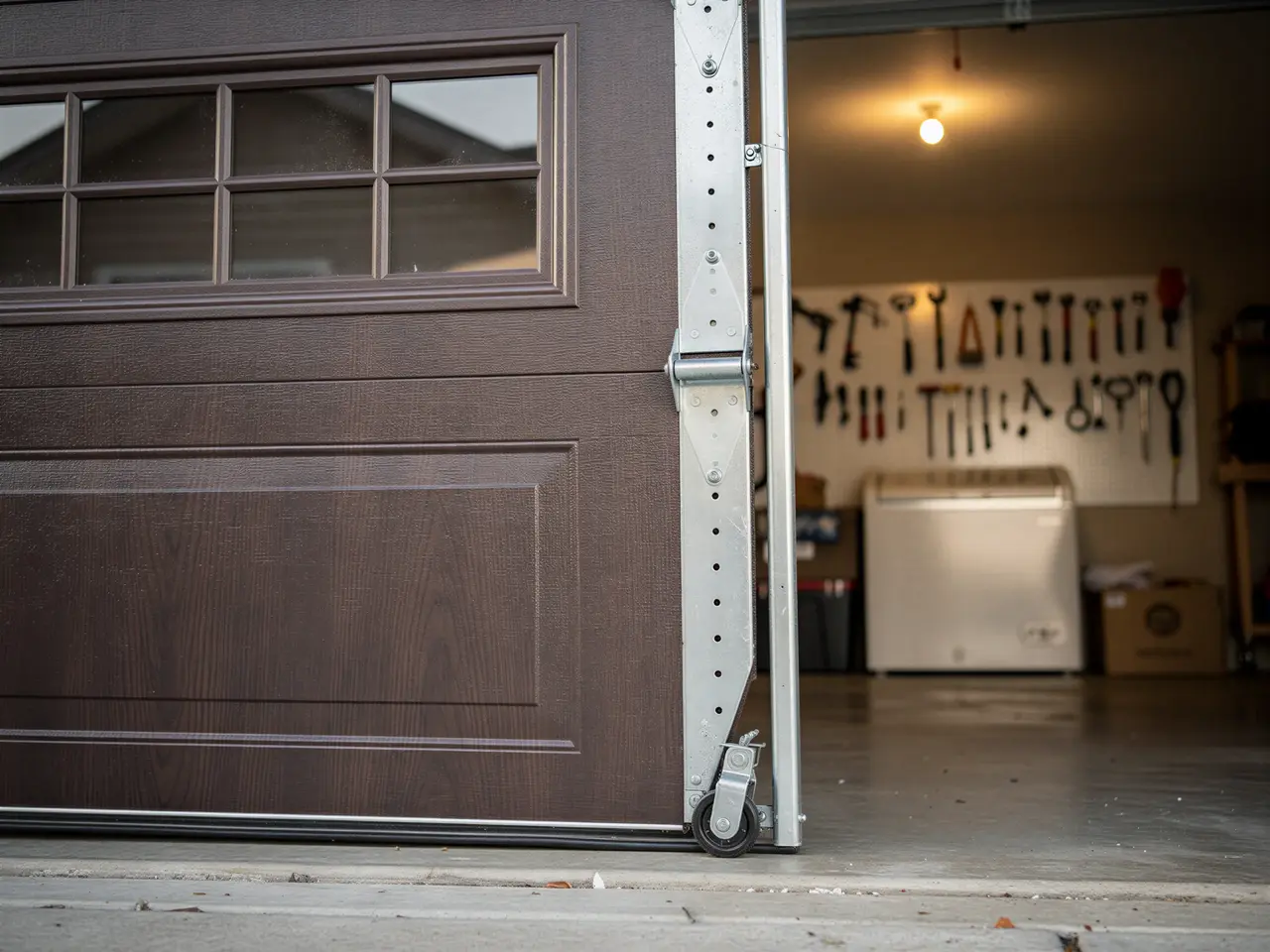
Off-Track Repair
Doors jumped the track re-set, aligned and re-tensioned so they run true.
Learn more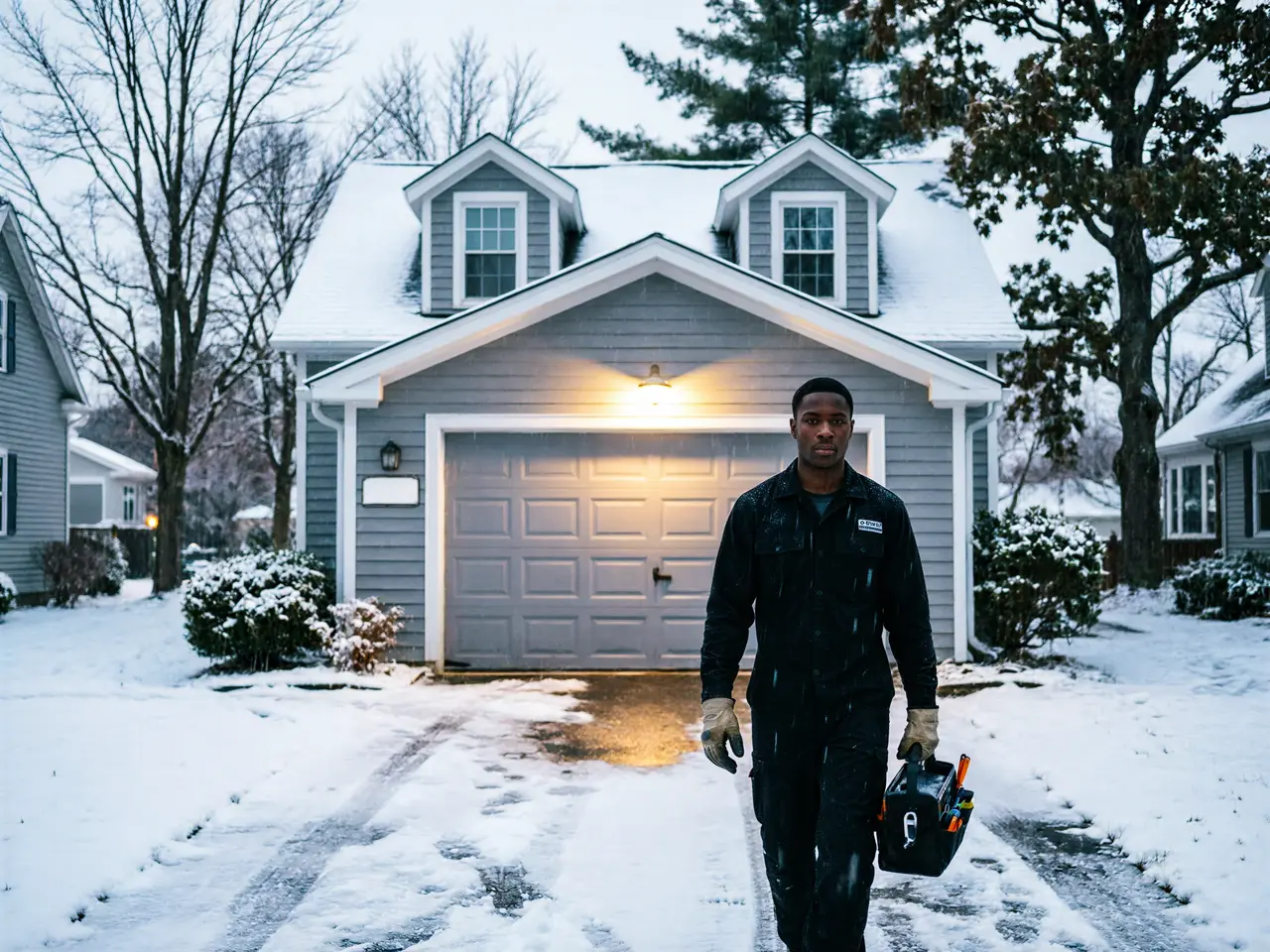
Emergency Garage Door
Fast help for a door that's stuck, off-track or won't secure.
Learn more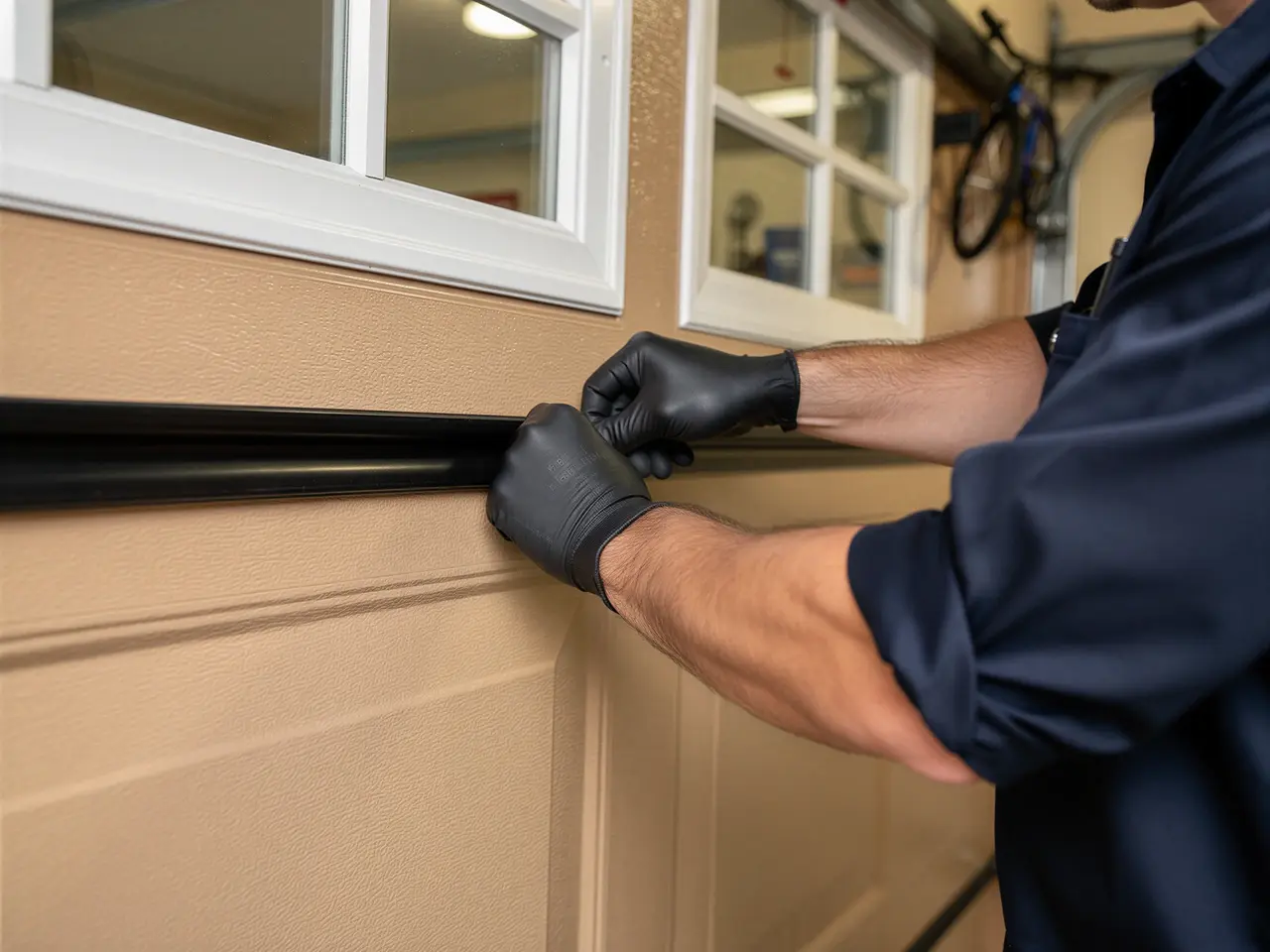
Maintenance & Tune-Ups
Spring tension, roller and track service that keeps an older door running quiet.
Learn moreCommon Problems
Garage door problems we fix in Norwalk
A stuck or broken garage door can't wait. Call and tell us what the door is doing - a snapped spring, a frayed cable, a door off its track or an opener that won't respond - and leave a spring-loaded door closed until a tech has looked at it.
- Broken springs and snapped cables
- Doors off the track or stuck shut
- Opener, remote and sensor failures
- Noisy, slow or unsafe doors

Why Norwalk Calls Us
How we work on Norwalk garage doors
Safe spring work
Torsion springs are wound with proper winding bars - never a do-it-yourself job.
Cause first, then the fix
The tech finds what failed - spring, cable, roller or opener - before recommending a repair.
We come to you
Service visits across Norwalk and nearby communities.
Repair or replace
For an older door you get a clear comparison of repairing it versus a new door.
Based in Norwalk
A Norwalk-based business you can reach directly by phone.
Call or book online
Call (475) 203-3825 or request a quote online.
How It Works
Getting your door fixed is simple
Tell us the symptom
Call or request a quote and describe what the door is doing - noise, off-track, won't open.
On-site diagnosis
A tech inspects the springs, tracks, opener and panels and gives you a written price first.
Repaired or installed
Most repairs are done on the same visit; installs are scheduled around you.
Our Work
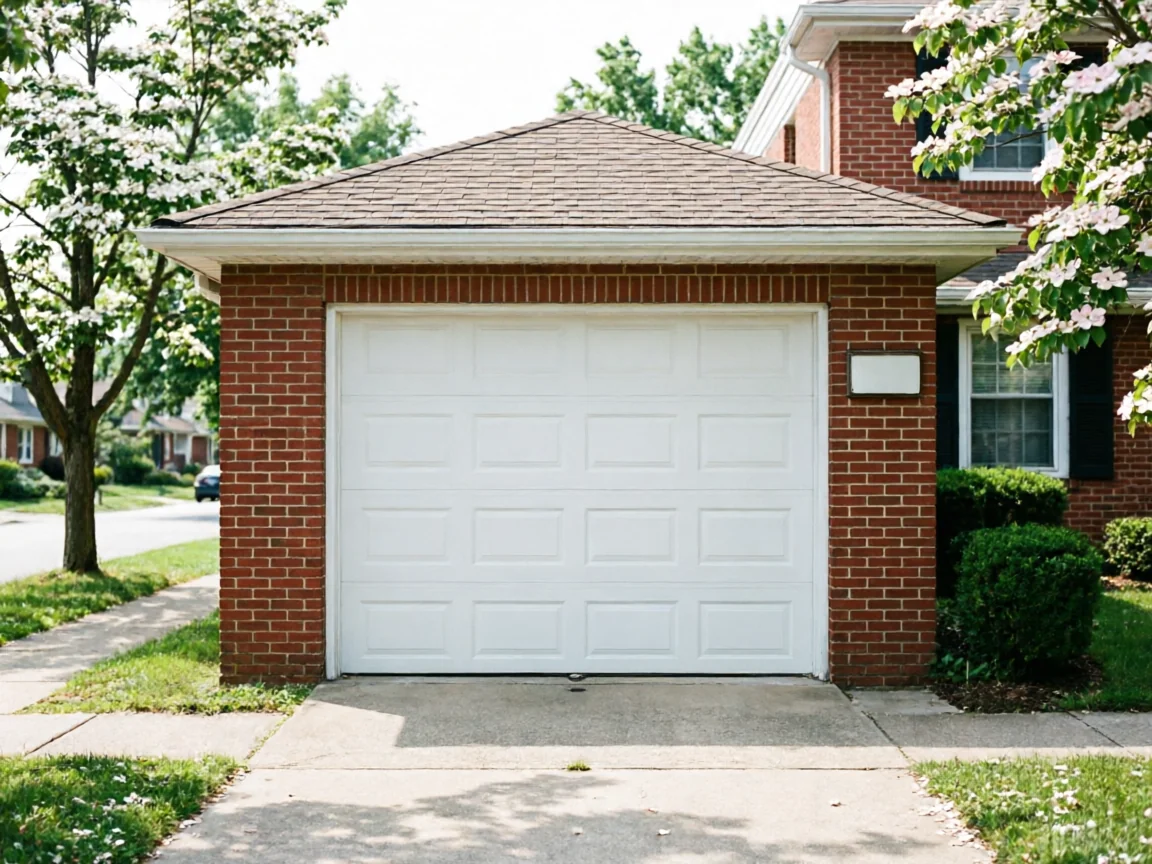
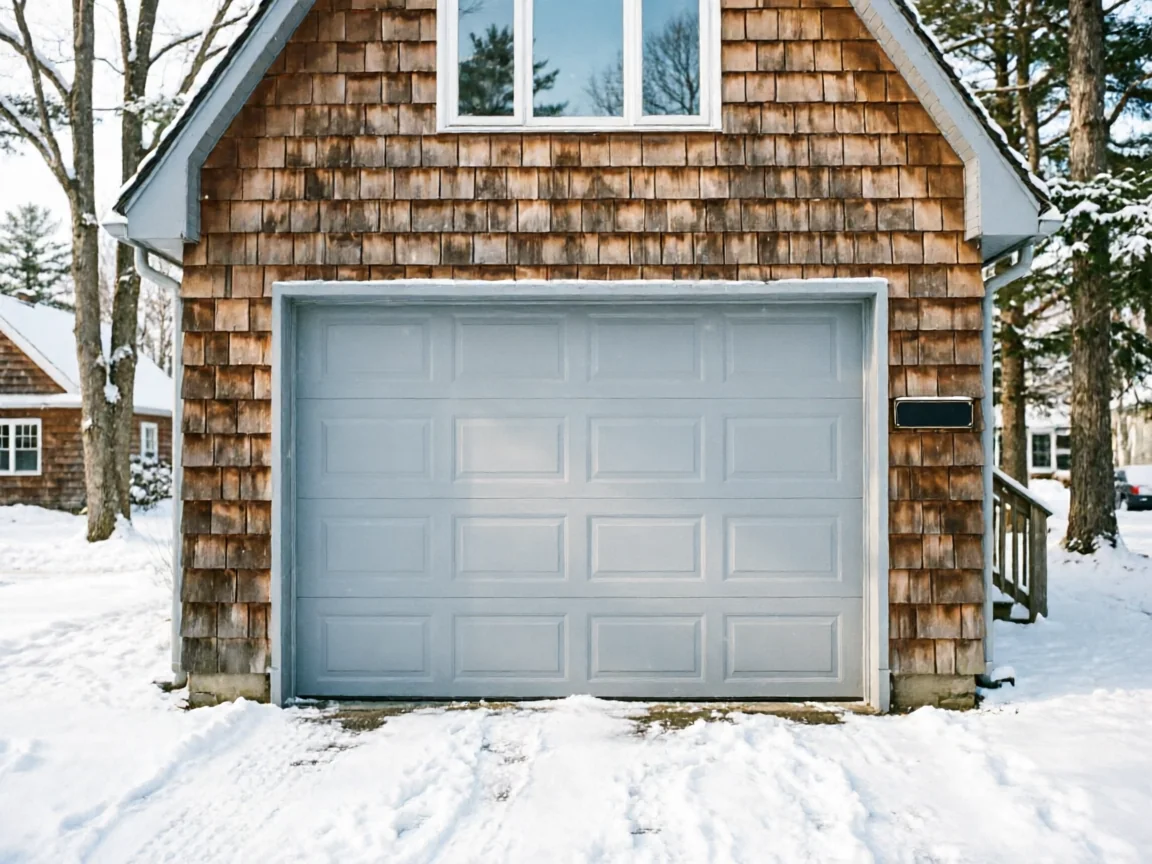
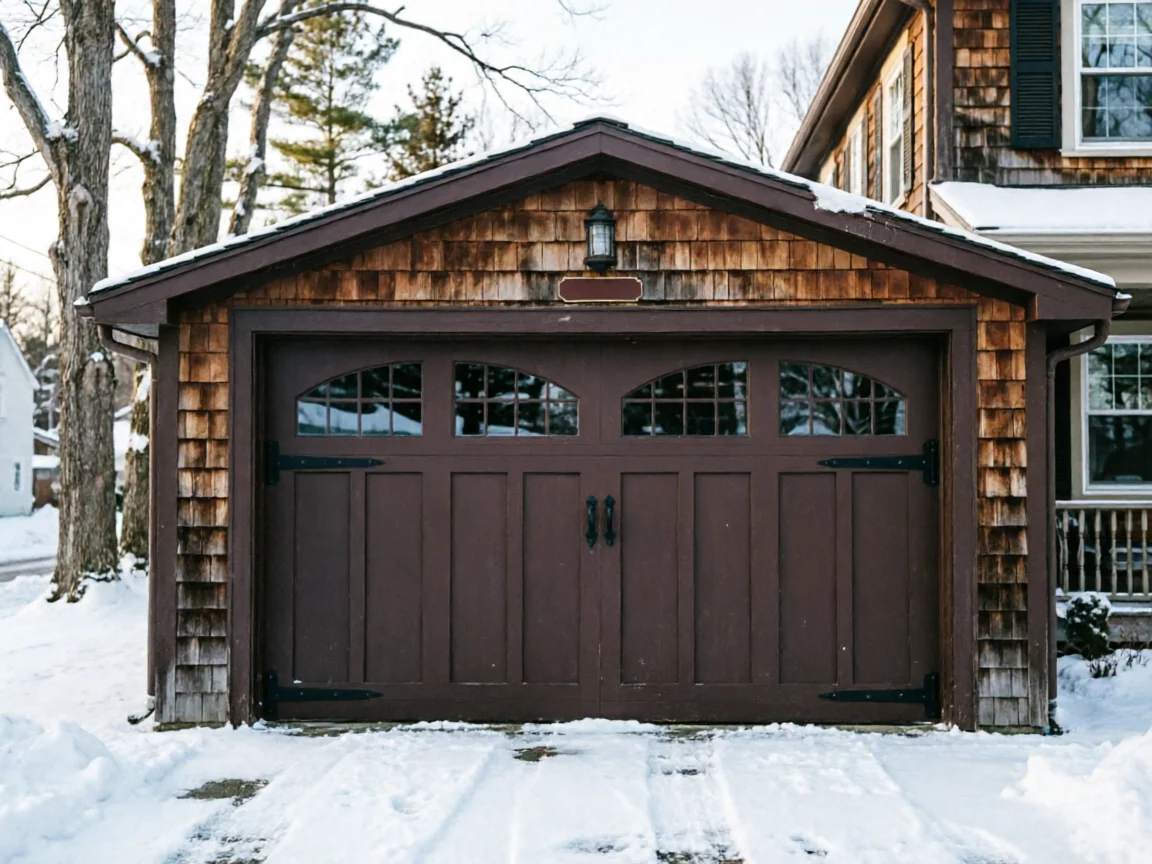
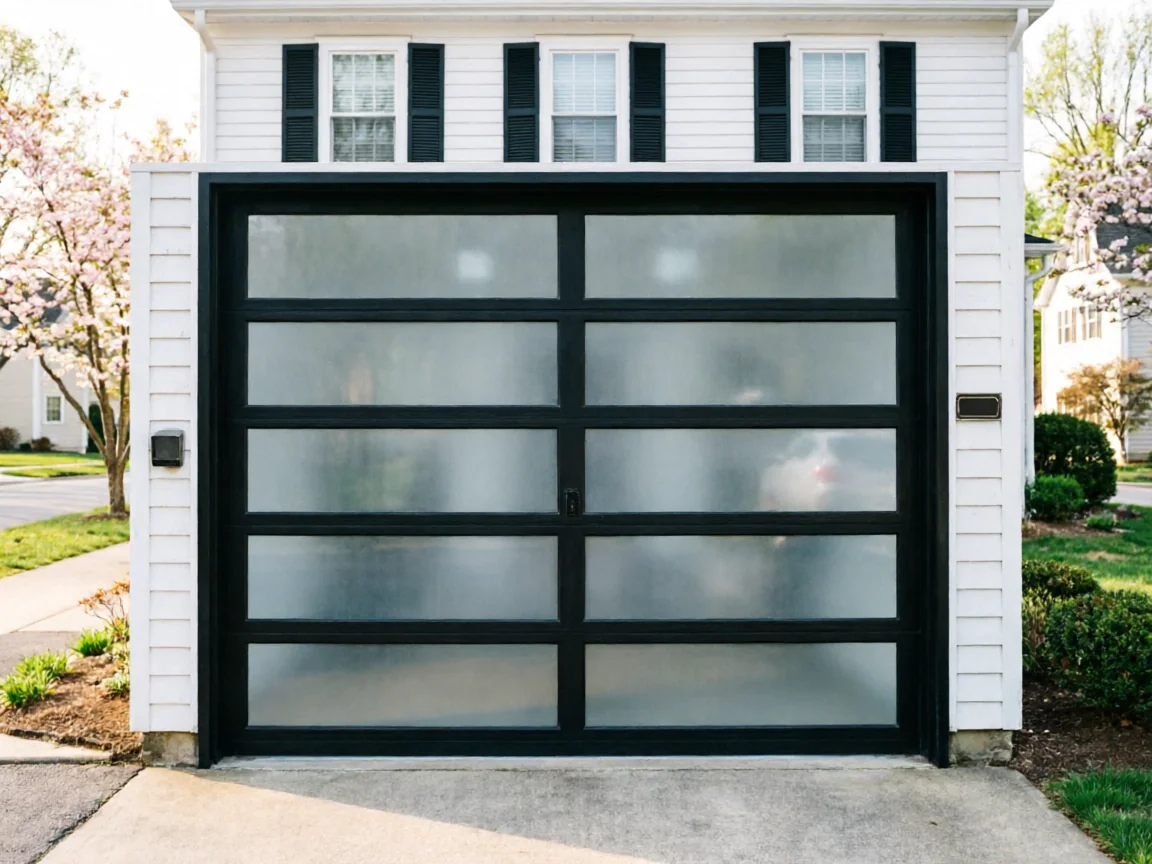
Recent garage door projects in Norwalk
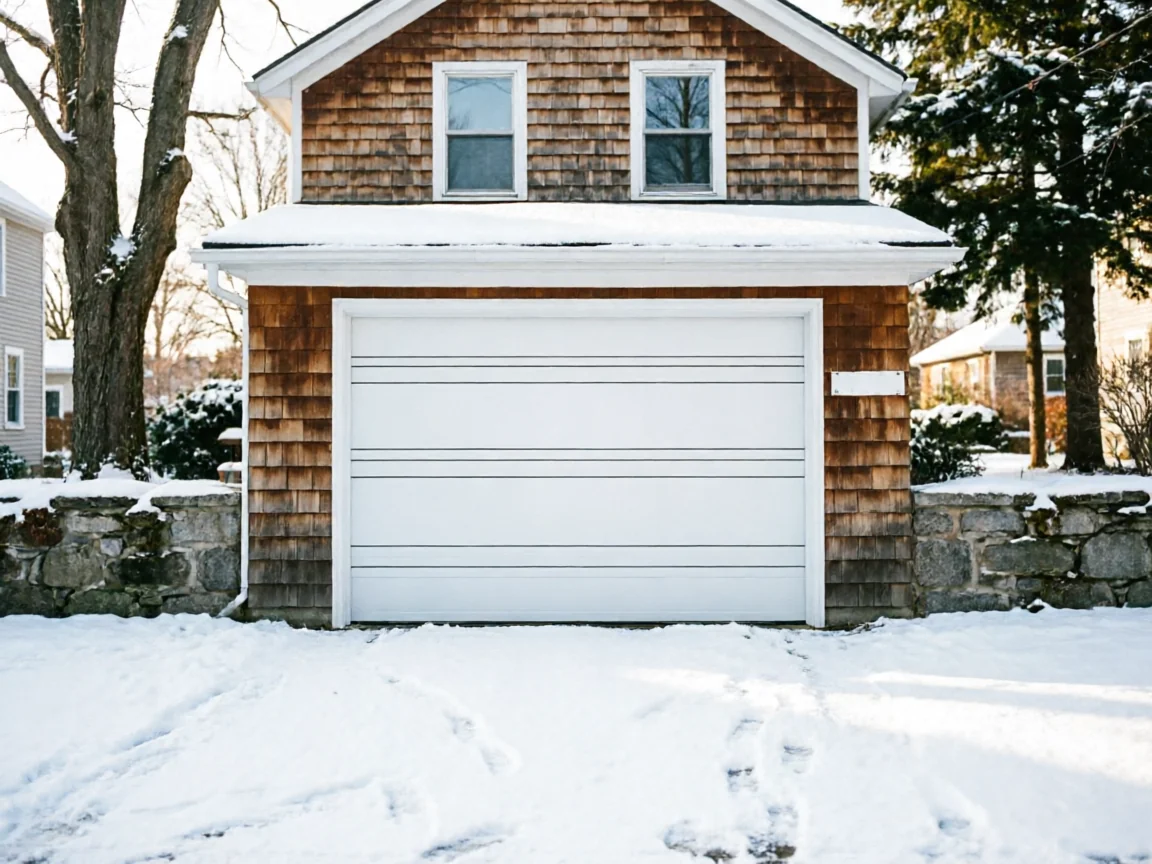
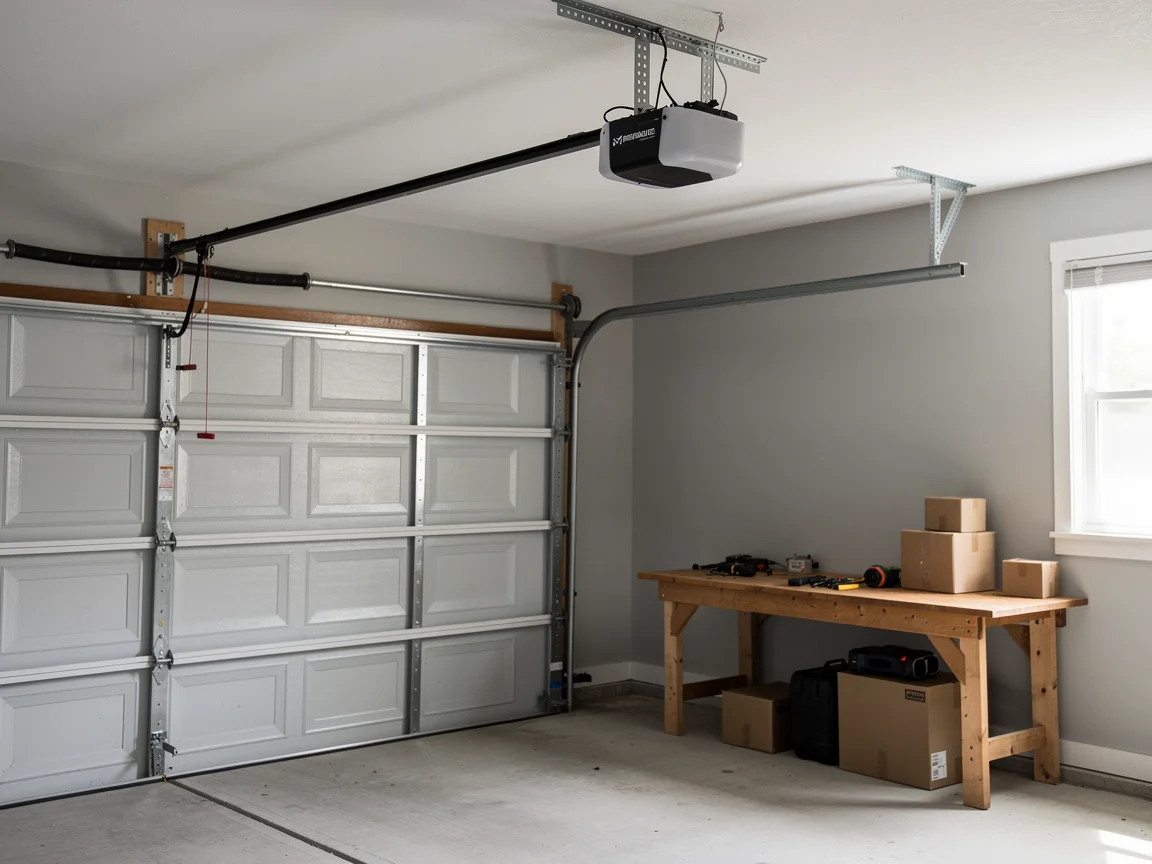
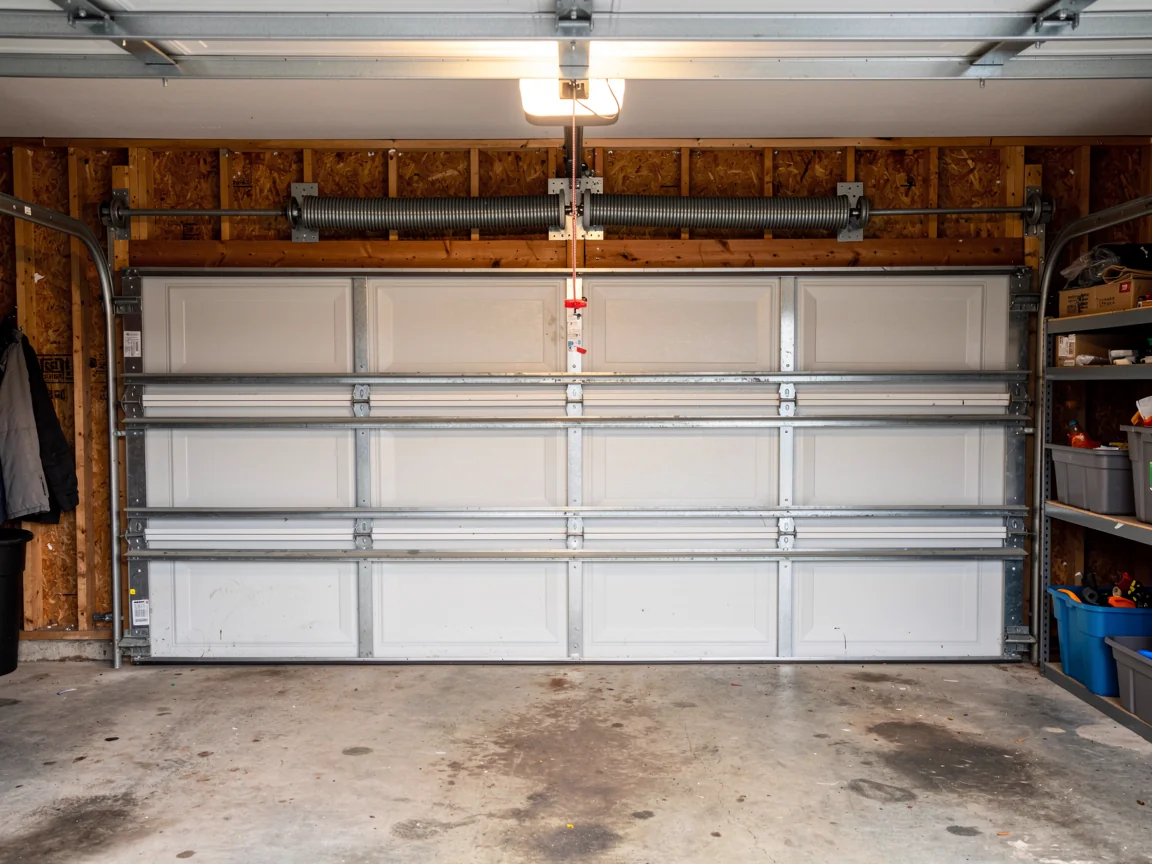
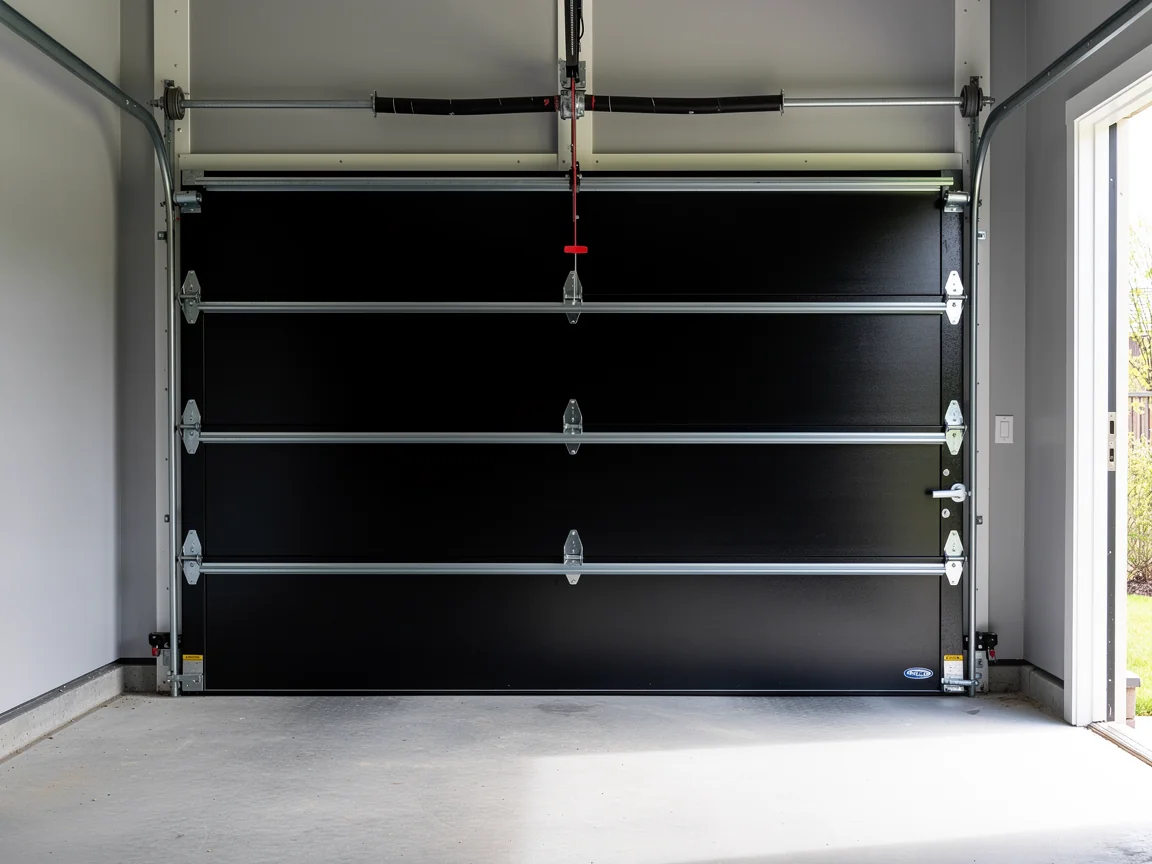
A look at doors, openers and springs we've installed and serviced across the Norwalk metro.
Where We Work
Serving Norwalk & nearby communities
Neighborhoods across the city and suburbs around the metro. Not sure if we reach you? Just ask.
Local Expertise
What to know about garage doors in Norwalk
What It Costs and Why
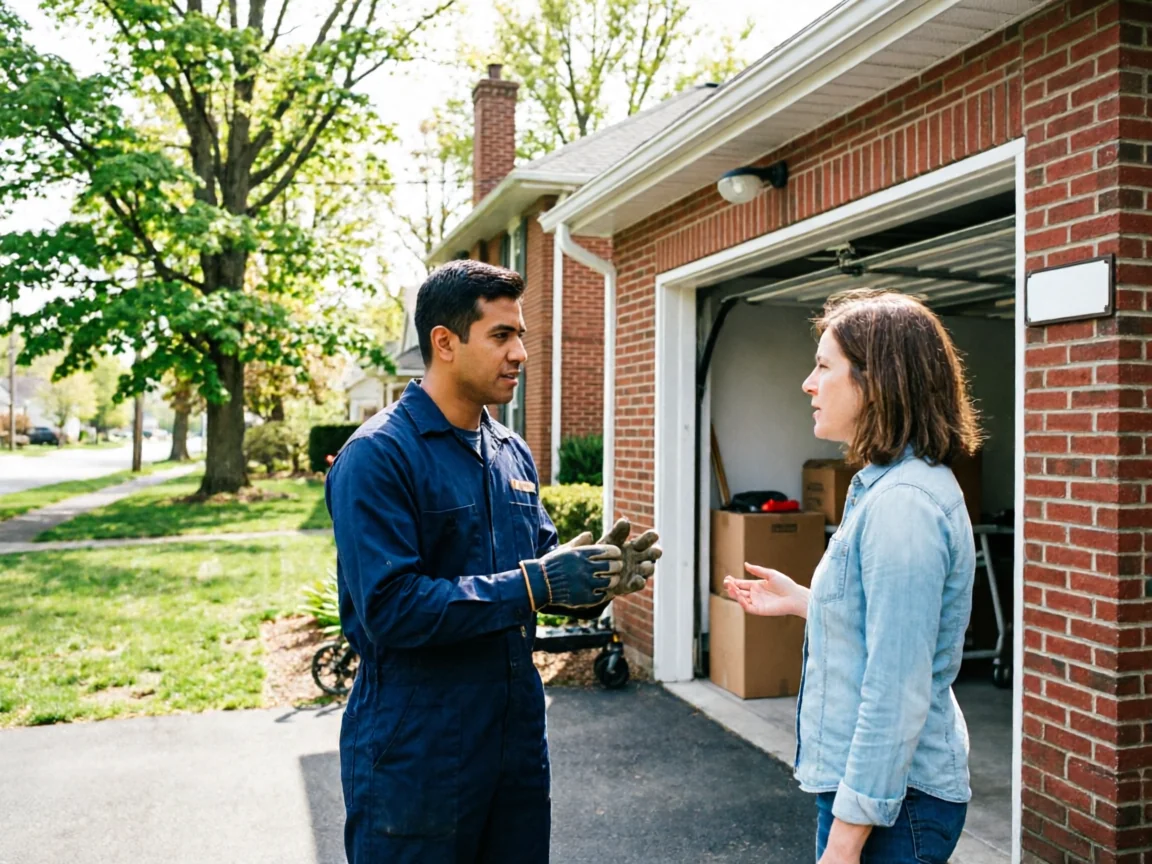
We work on houses across Norwalk and the surrounding towns, and most of what we quote comes down to one fact: the bulk of this housing stock went up between 1955 and 1984, median year 1968, spread across roughly 21 named neighborhoods and sections of town. That matters for cost because a door, spring, or opener from that era is not the same part you'd find on a house built in 2015. Original torsion hardware on a side-mounted drum, older extension spring setups, and panel sizes that don't match current stock all take longer to source and fit than a straight swap on new construction.
Median household income across the service area sits at $168,810, which tells us something too - most of the calls we get aren't about stretching a repair as far as it will go, they're about getting the right part in and done right the first time, even if that means replacing a spring set instead of patching one side. We don't quote blind over the phone past a rough range, because a torsion spring job and a full panel replacement on a 1960s door are not priced the same, and we'd rather look at the door than guess.
What we won't do is pad a quote with work the door doesn't need. If a cable snapped clean and the rest of the hardware is sound, that's what gets fixed.
What Breaks Around Here
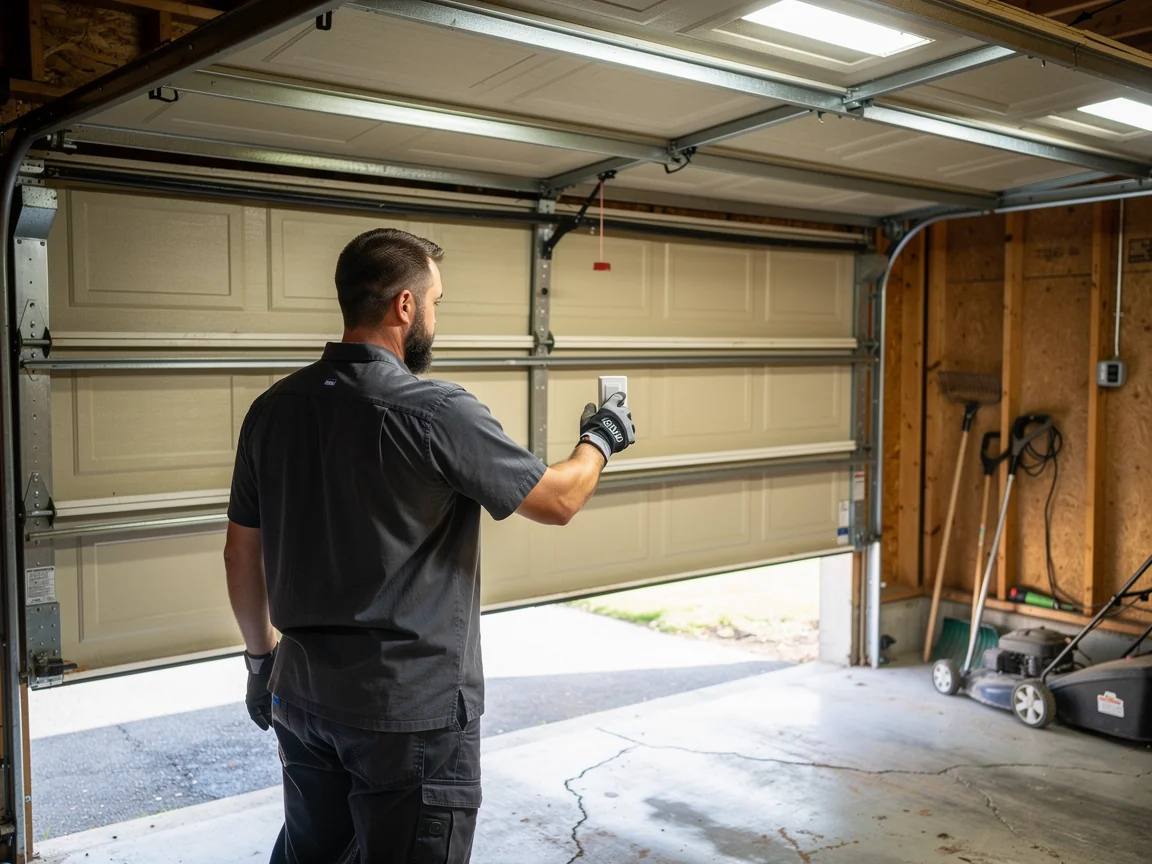
Norwalk sits in a cold, severe winter climate band, and that's the single biggest driver of the calls we run. Steel torsion springs cycle thousands of times a year, and cold tightens the metal and adds load right when people are opening and closing doors more, heading in and out in the dark. On houses from the 1960s and 70s - which is most of what's standing here - the springs are often original-generation replacements, not the originals, and they're due.
Rollers are the other constant. Nylon rollers on original tracks from that era were never built for forty-plus winters of expansion and contraction, and we see a lot of tracks that have gone slightly out of true from decades of frost heave under the slab edge. That shows up as a door that binds a few inches off the floor, not a door that won't move at all - easy to miss until the cable finally gives.
Openers are a mixed bag. Some houses still run openers installed well after the house itself, others are on original 1970s chain-drive units that are long past any part support. When an opener that old fails, we're not chasing a part for it - we're talking replacement, and we say so up front rather than stringing along a repair that won't hold.
How the Visit Works
We come out, look at the door with it open and closed, and run it by hand before we touch a drill. On a lot of these 1960s-70s doors, what looks like an opener problem is actually a spring that's lost tension, and the opener is just the part straining hardest to make up for it - so we check springs, cables, and track alignment before we talk opener.
If it's a straight repair - spring, cable, roller, sensor - we carry what we need on the truck for most of what we see in this housing stock and get it done the same visit. If a part has to be matched to an older panel size or a specific track width that isn't standard stock, we'll tell you that before we start, not after we've opened something up.
We serve Norwalk itself along with nearby towns - Rowayton, Darien, Westport, New Canaan, and out to Wilton, Weston, and Greenwich - and the drive time factors into scheduling more than the job itself usually does. We'll give you a window, not a guess, and call if we're running long.
When Repair Is Not Worth It
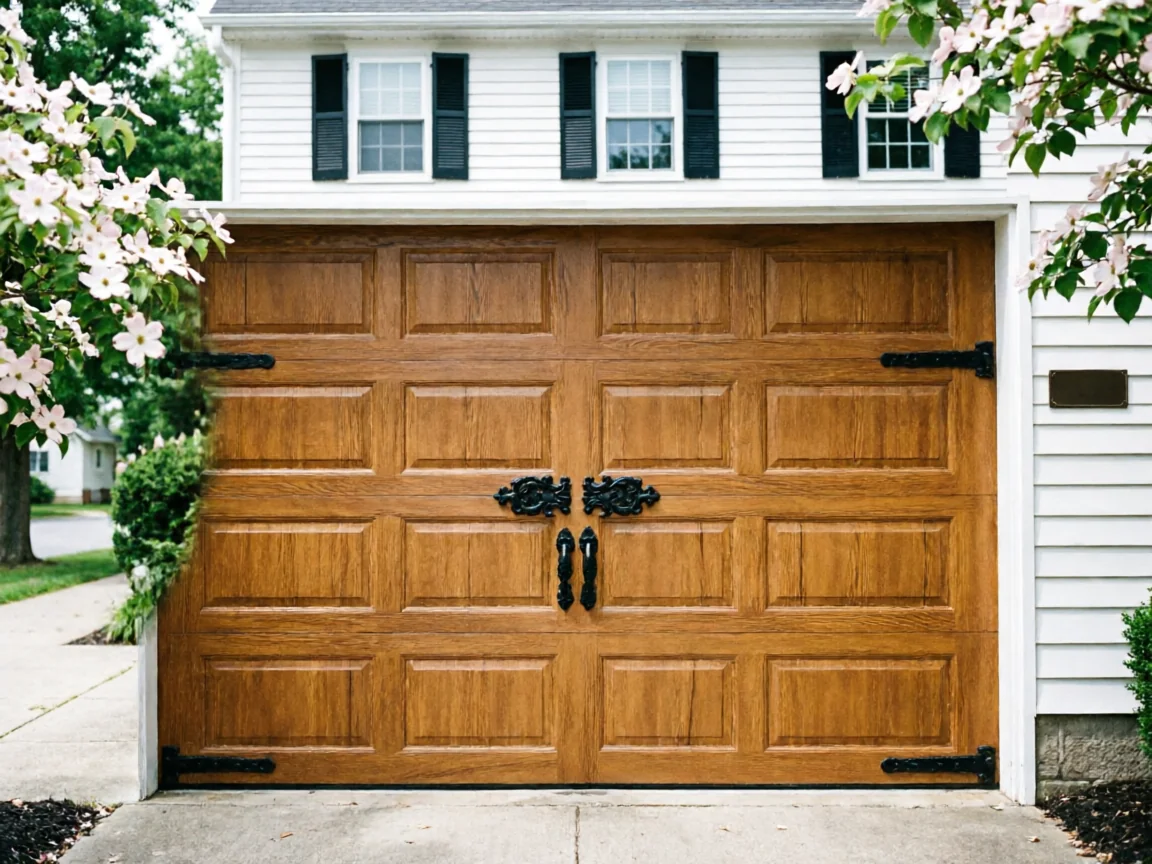
Here's the honest part: not every door on these old torsion setups is worth repairing. If a door has a cracked wood panel from the 1960s original run, sourcing a matching replacement panel can cost more and take longer than just replacing the door section, and we'll say that plainly instead of chasing a part that doesn't exist anymore.
Same goes for an opener that's failed twice in two years - once we're past a certain point on parts and labor stacked against a unit that old, a new opener is the better spend, and we'll lay out why rather than keep patching.
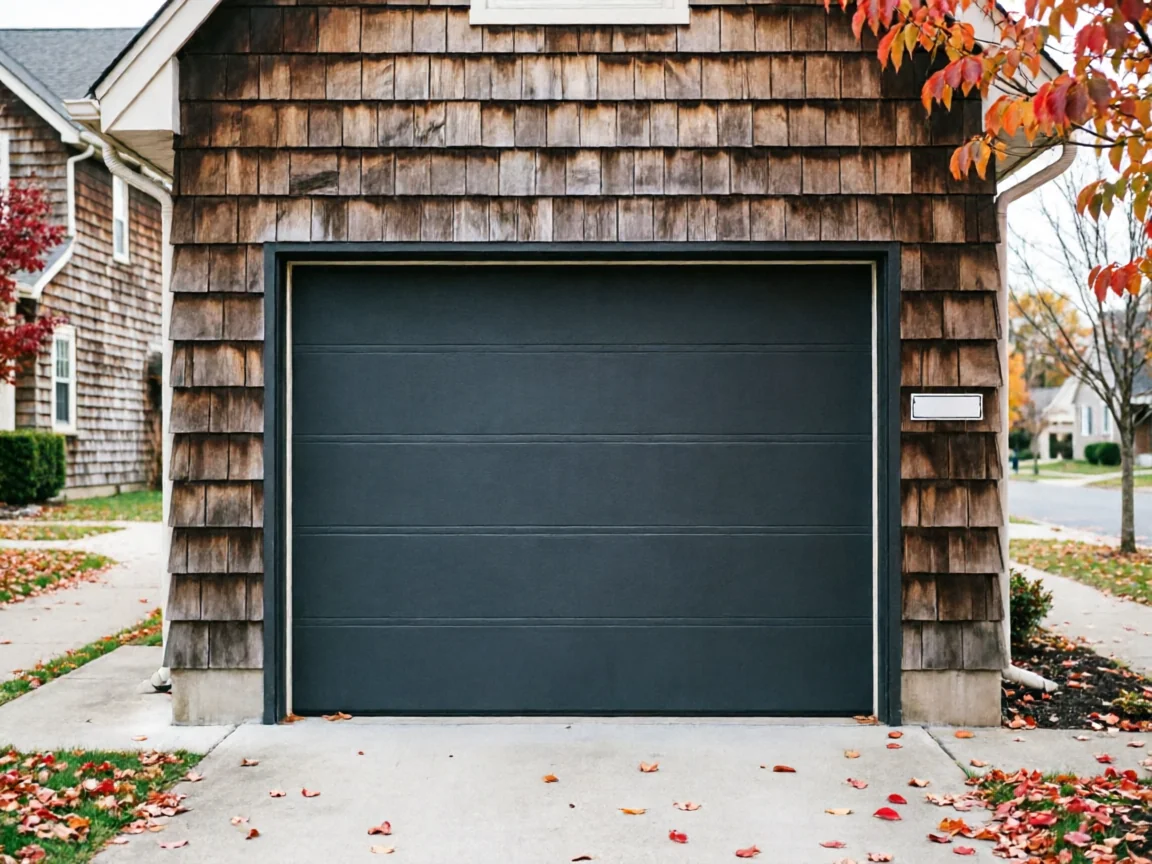
A door that's been through enough winters that the track is bent, not just out of alignment, is another one where repair becomes false economy - you can true up a track that's shifted, but a track that's actually bent will keep throwing the rollers no matter how many times it's adjusted. We'll tell you straight when we're looking at one of those instead of running the clock on repairs that won't hold through next winter.
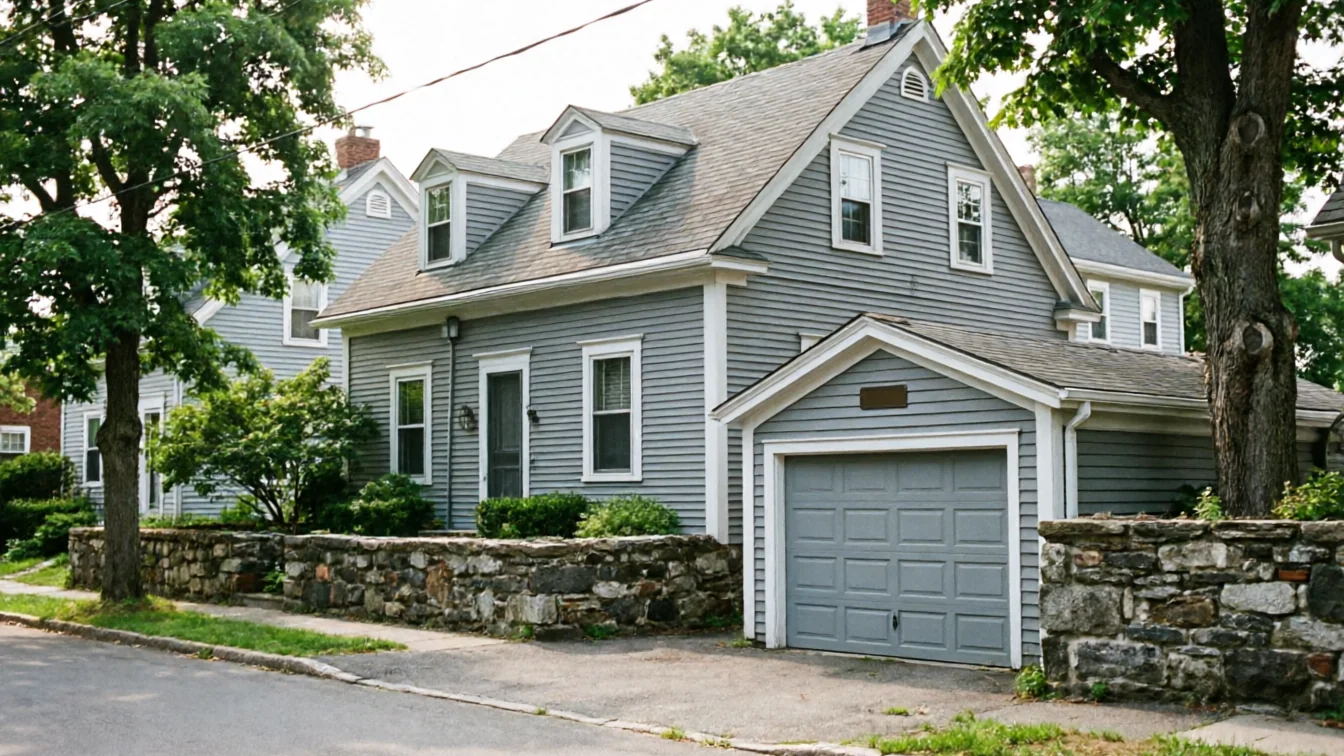
What Gets Built Around Here
Across the service area there are 106,487 households and 70,601 owner-occupied houses, and the housing itself skews hard toward one era: 1955 to 1984, median build year 1968. That's the postwar-through-70s expansion that shaped this part of Fairfield County, and it's spread across more than 20 named sections and neighboring towns rather than concentrated in one development.
What that means for garage doors specifically is that a huge share of what we work on wasn't built to today's spec. Panel sizes, track widths, and spring configurations from that build era are consistent enough that we see the same handful of setups over and over, which is part of why we can usually carry the right part on the truck rather than special-order it.
It also means age is catching up with a lot of this hardware at the same time. A door installed when a 1968-built house was new is now well past any reasonable service life, and a lot of owners are dealing with their first real garage door failure not because anything went wrong, but because sixty years is simply a long time for steel springs and steel track to hold up under a cold Connecticut winter.
Good to Know
Frequently asked questions
Why does my spring keep breaking in winter?
Cold tightens steel and adds load to torsion springs right when you're using the door most. On a house from the 1960s or 70s, the spring set has likely already been replaced once, and a second failure often means it's simply due again - not a sign of a bigger problem.
Do you work in towns near Norwalk, not just Norwalk itself?
Yes. We run calls into Rowayton, Darien, Westport, New Canaan, Wilton, Weston, and out toward Greenwich and Ridgefield. Drive time factors into scheduling, so ask for a window when you call rather than an exact hour.
My house is original from the 1960s - will parts even fit?
Most of the time, yes. The housing stock here is consistent enough from that build era that we carry matching torsion hardware and standard track widths on the truck. Unusual panel sizes or custom doors sometimes need ordering, and we'll tell you that before we start.
Is it ever cheaper to replace the whole door instead of fixing it?
Sometimes. If a 1960s-era wood panel is cracked and no longer made, or a chain-drive opener from that decade has failed more than once, chasing parts can cost more than a new door or opener. We'll say so plainly rather than run up a repair bill on something past its service life.
Need a garage door fixed in Norwalk?
Call now or request a quote - tell us what the door is doing and where you are.